Publicis Sapient × UnitedHealthcare
Turning complex healthcare information into a more approachable, personalized customer experience.
- Role
- Product Management Intern
- Timeline
- Summer 2024
- Team
- Engineering, design, and client stakeholders
- Product type
- Enterprise genAI SaaS
The Challenge
UnitedHealthcare's healthcare workflows were complex, fragmented, and often difficult for customers to navigate. The team was building a generative-AI experience to make that information easier to understand and act on.
My role was to turn ambiguous stakeholder needs and messy internal workflows into a product the engineering team could actually build.
What I Owned
I worked across customer research, product strategy, UX, and engineering execution.
- Synthesized stakeholder needs and existing workflows into product requirements and user stories
- Used market research and stakeholder interviews to identify and prioritize product opportunities
- Designed a personalized guidance experience that translated healthcare jargon into plain language and helped customers build curated plans
- Coordinated sprint execution for a team of engineering interns, balancing customer value, stakeholder requests, and engineering constraints
The Product
A personalized AI guide for navigating healthcare.
Rather than simply answering questions, the experience was designed to help customers understand their options and determine what to do next.
The product could translate complex healthcare terminology into plain language, use customer context to personalize guidance, and organize recommendations into curated plans.
Understand → Personalize → Plan
A Product Decision
Giving the AI a face.
One challenge was making an unfamiliar AI experience feel approachable and recognizable.
I helped introduce a UHC dog mascot as the visual face of the chatbot. The goal wasn't decoration—it was to give the program a recognizable identity that made the experience feel more approachable and easier to notice and engage with.
The mascot became a small but intentional UX decision: make a complex healthcare tool feel a little more human.
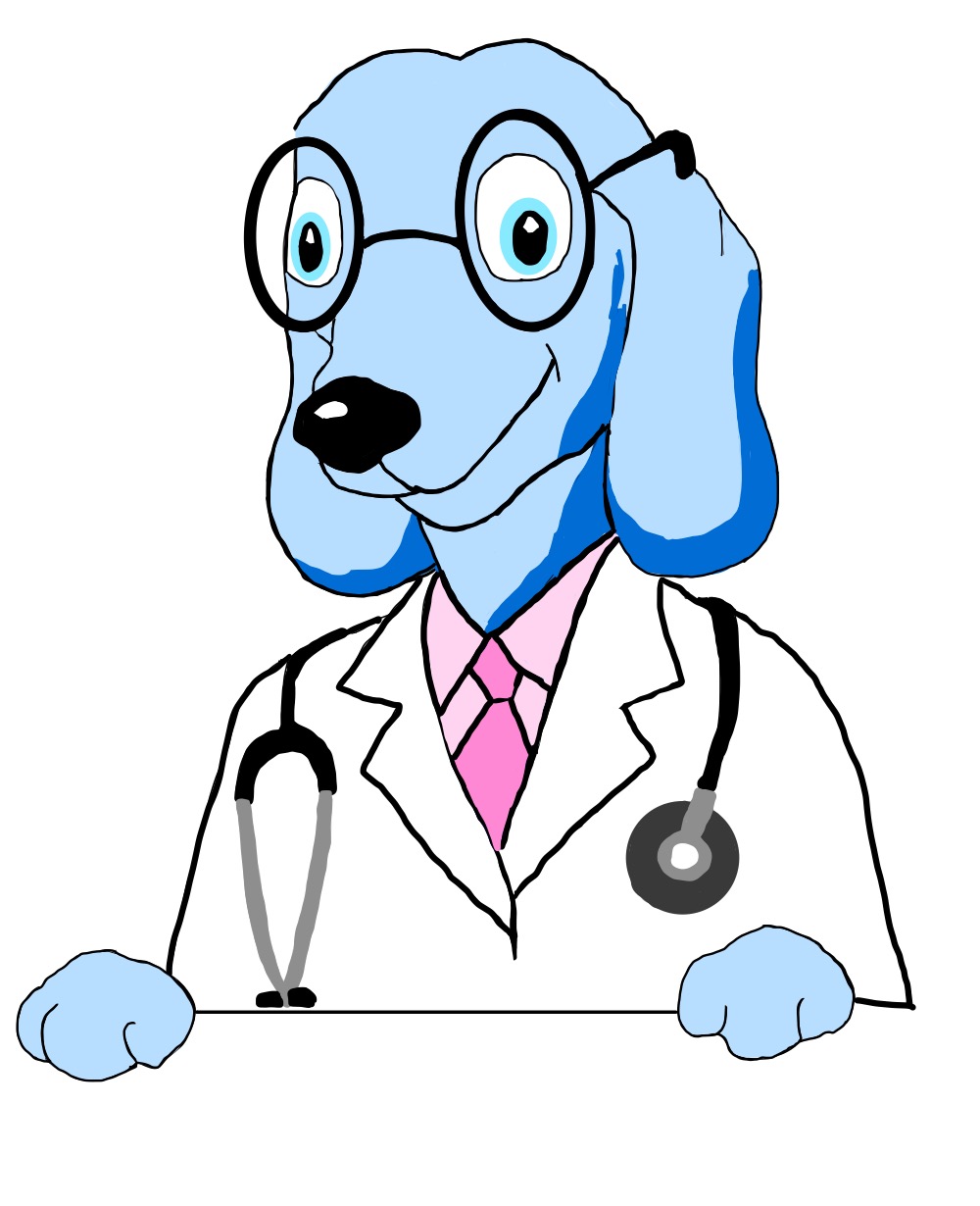 Mascot
From Stakeholder Requests to a Roadmap
The hardest part wasn't generating ideas. It was deciding which ideas were worth building.
I mapped stakeholder needs against engineering capacity, dependencies, and customer value to prioritize work for each sprint. I translated those decisions into requirements and user stories that gave the engineering team a clear path from concept to implementation.
The lesson: Product management meant knowing what not to build.
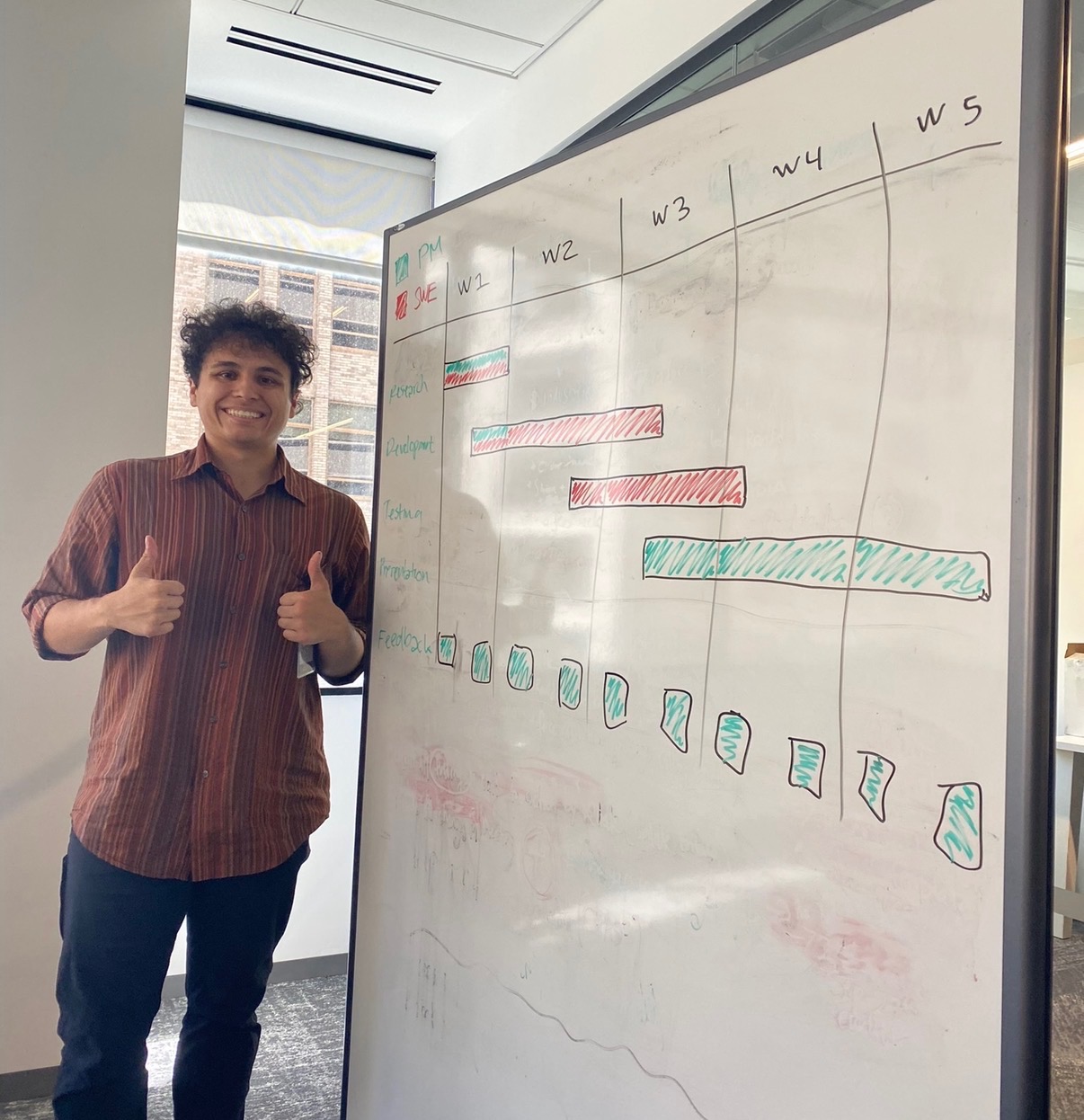 Five-week roadmap
Working With Engineering
I drove sprint execution for the engineering interns and made build-vs.-buy decisions based on timeline, feasibility, and product needs.
By keeping requirements clear and prioritization focused, we accelerated release cycles by approximately 15%.
Outcome
~15%
faster release cycles
- Customer experience — Personalized healthcare guidance designed to make complex information easier to understand and act on.
- Product execution — Translated ambiguous stakeholder needs into requirements, user stories, and an executable roadmap.
- Team execution — Coordinated sprint work across a team of engineering interns.
Behind the work
RoadmapMascot