Soleful
It started as modular clothing. Customer discovery pointed at shoes.
- Role
- Co-founder · Product & prototyping
- Timeline
- Prototyping phase
- Product type
- Physical consumer product
What is it
A footwear venture built around modularity: panels you can swap out instead of a shoe that looks the same every day.
Why I built it
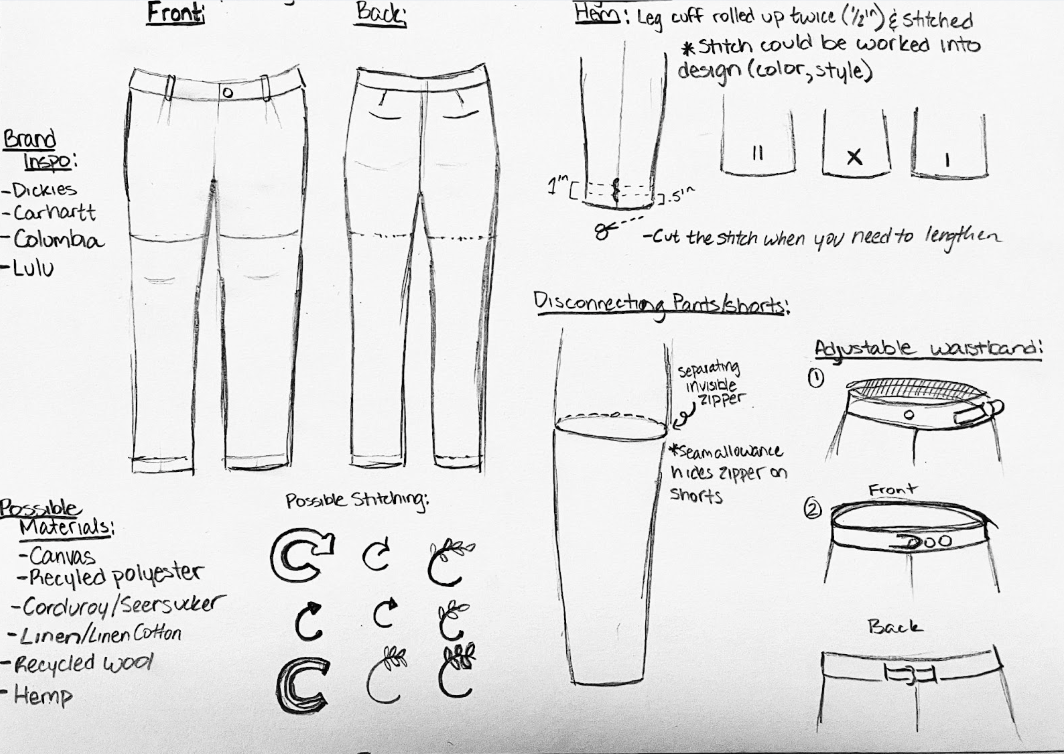
We started with modular clothing. The first sketches were pants with zip-off legs, adjustable waistbands, and hems you could let out. Interviews kept steering us somewhere narrower. Nobody described wardrobe flexibility as a problem, but plenty of people talked about shoes: the thing they wear most, replace fastest, and most want to feel like theirs. So we moved.
What makes it interesting
The pivot is the interesting part. Modular clothing sounded good and had no urgency behind it. Modular shoes came out of interviews as a specific, repeated complaint. Once we narrowed it, the product question stopped being conceptual and became mechanical: what actually holds a panel onto a shoe you walk around in all day?
Difficulties & tradeoffs
Velcro against snaps. Velcro was fast and obvious, and people loved how quickly they could change a panel, but it looked cheap, caught lint, and frayed with use. Snaps were sturdier and looked far better, but they're harder to build into a shoe that wasn't designed for them, and they press into your foot anywhere the padding is thin. We ended up with hidden snaps on a high-top: more canvas to hide the hardware under, and enough room for padding that you don't feel it.
What I built it with
Product design, materials exploration, a lot of physical prototyping, and Figma for brand work.
Prototyping the swap
Velcro first, then snaps, then a hidden-snap high-top that solved what neither could on its own.
Phase 00 — Concept
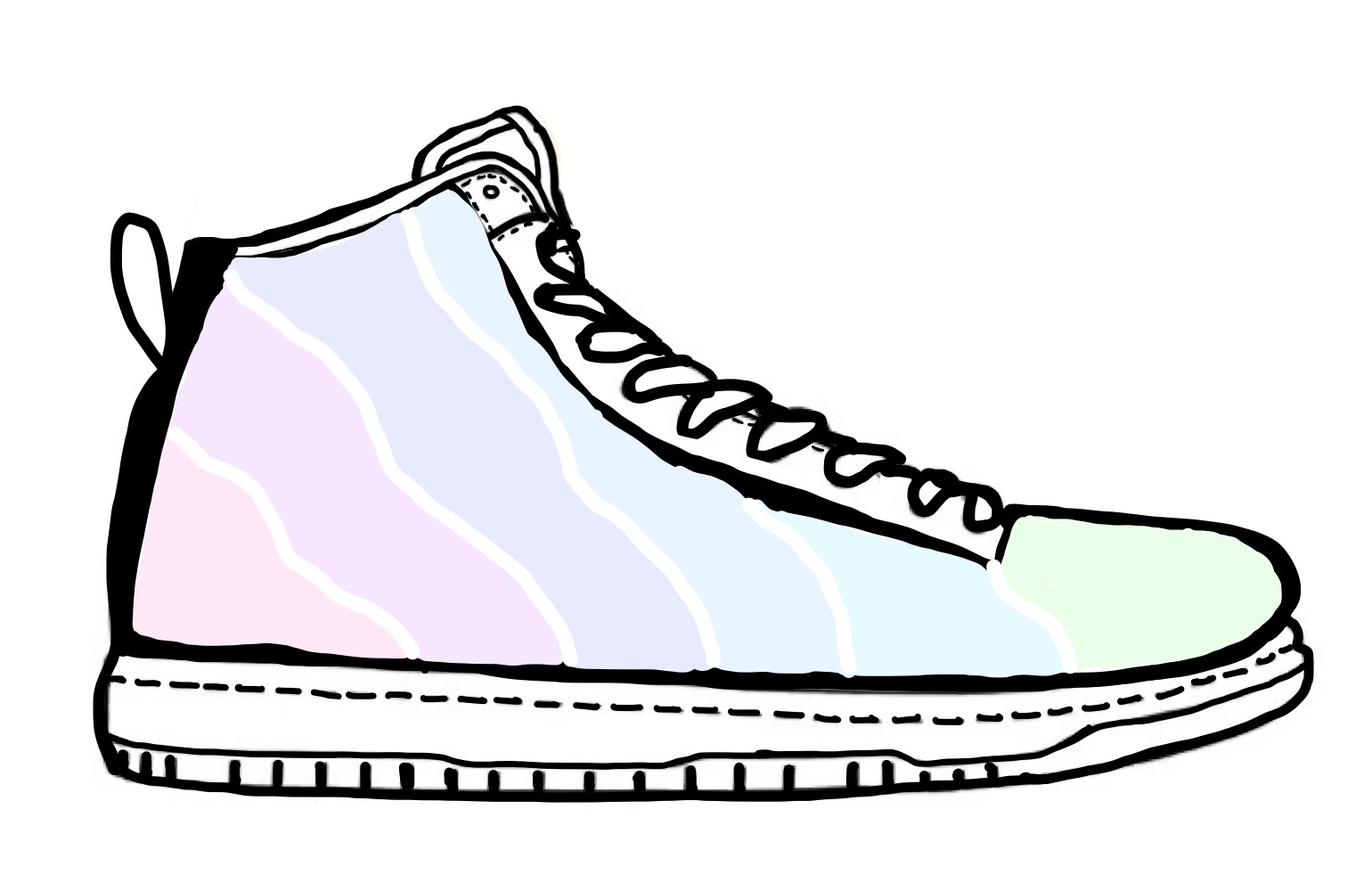
We started with convertible pants: zip-off legs, adjustable waistbands, hems you could let out. After interviews pushed us toward shoes, the same idea got redrawn on a high-top with panel zones.
 Clothing sketch
 Shoe concept
Phase 01 — Velcro
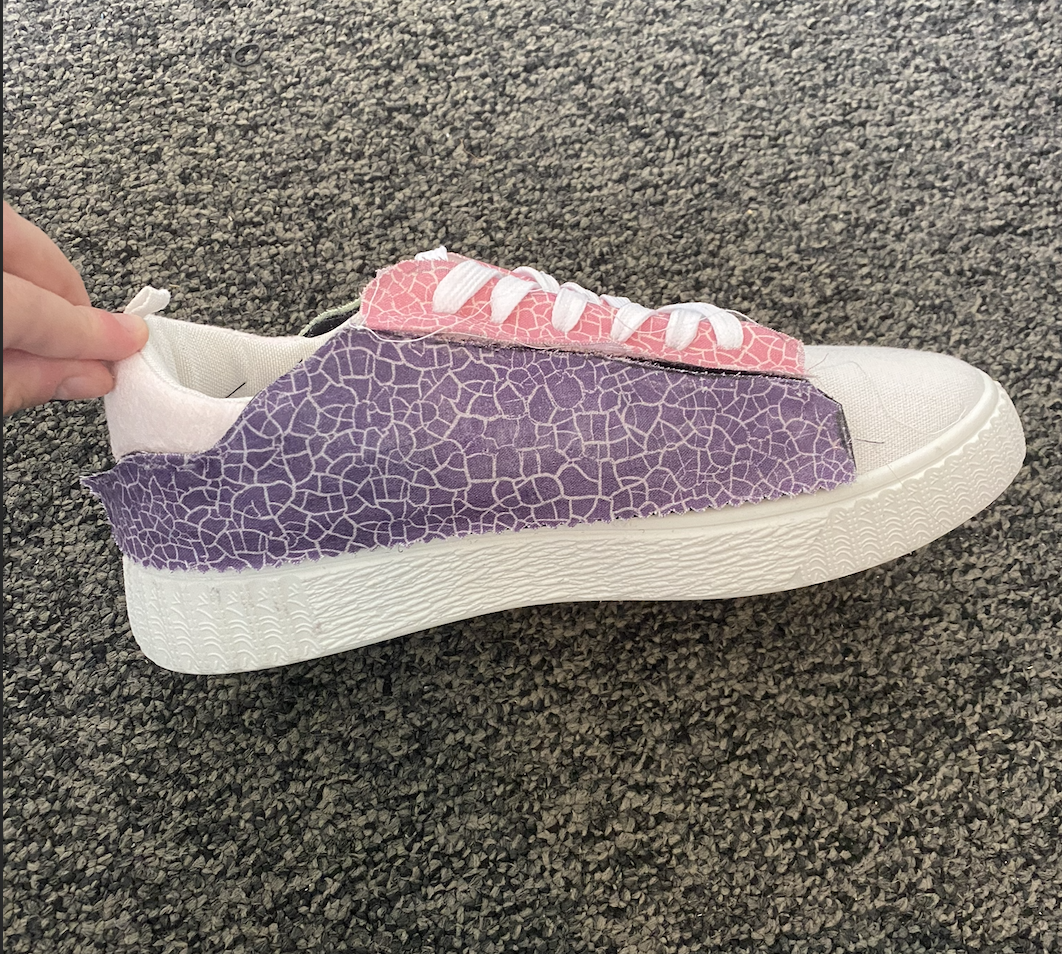
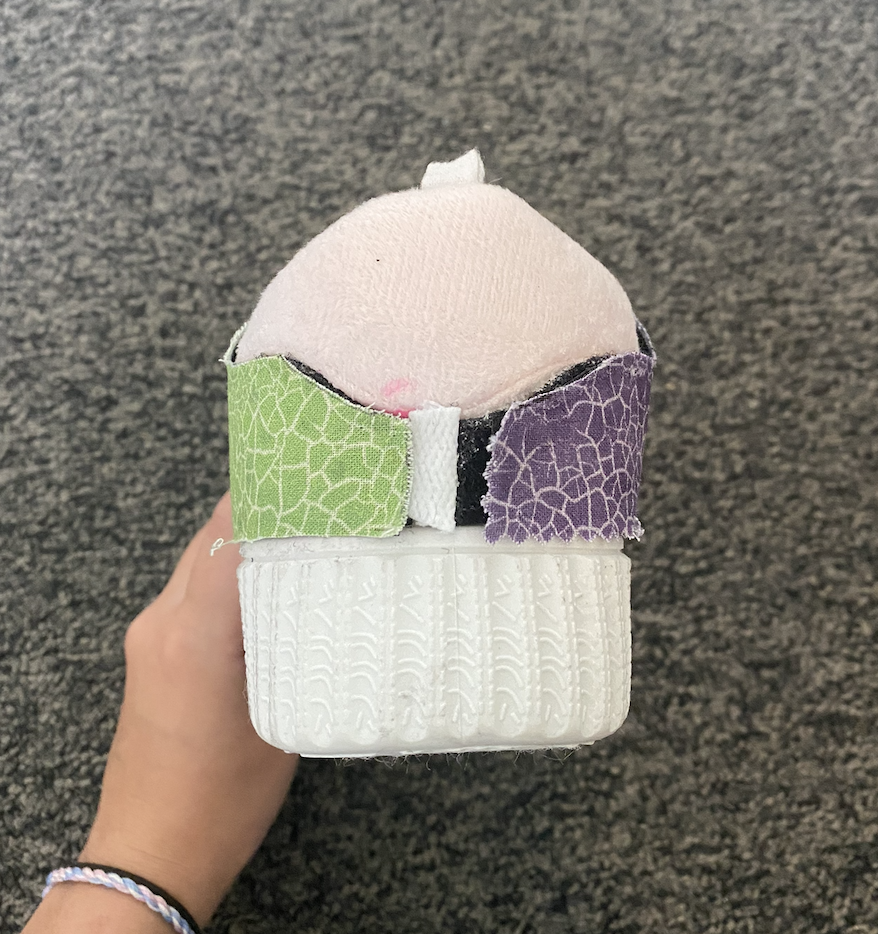
Velcro answered the main question fast. People swapped a panel in seconds and got the product immediately. It also looked cheap up close, the loop field collected lint, and the edges frayed after enough swaps. Good enough to prove the behavior, not good enough to wear out of the house.
 Velcro panel
 Attachment
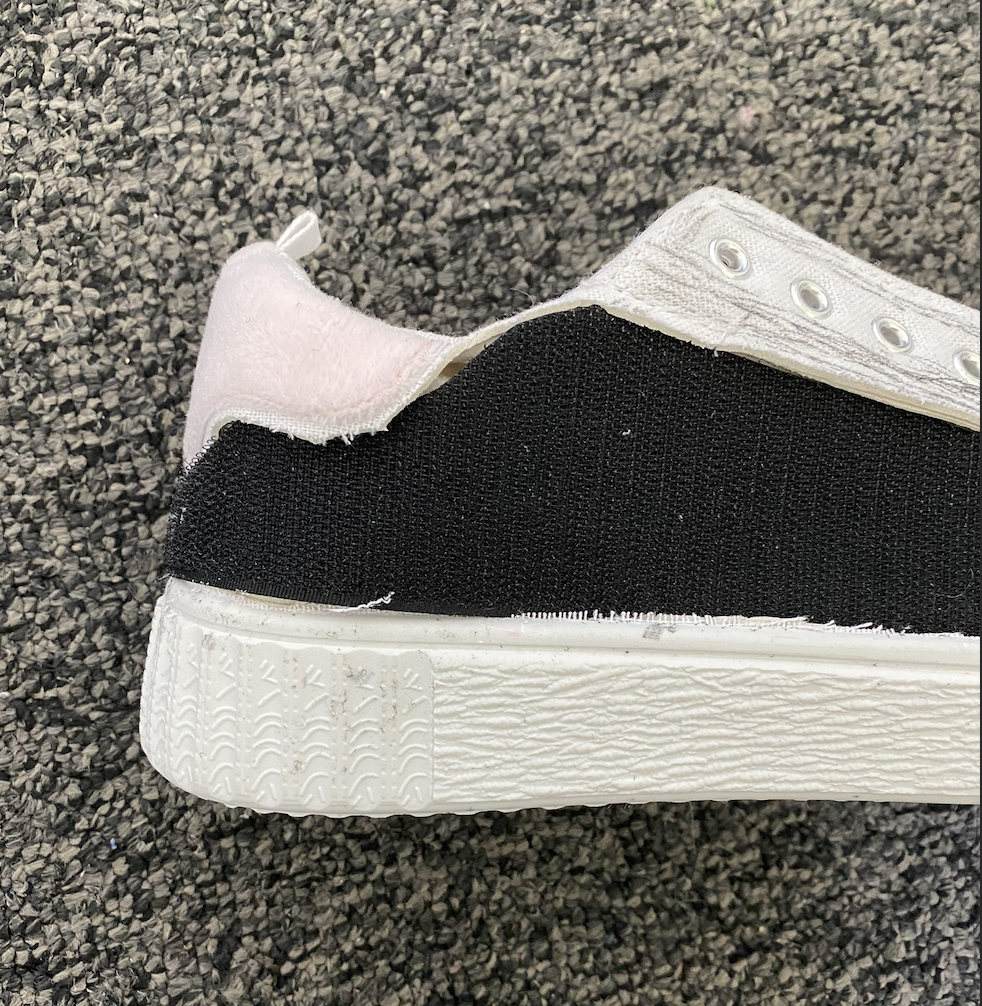 Wear
Wear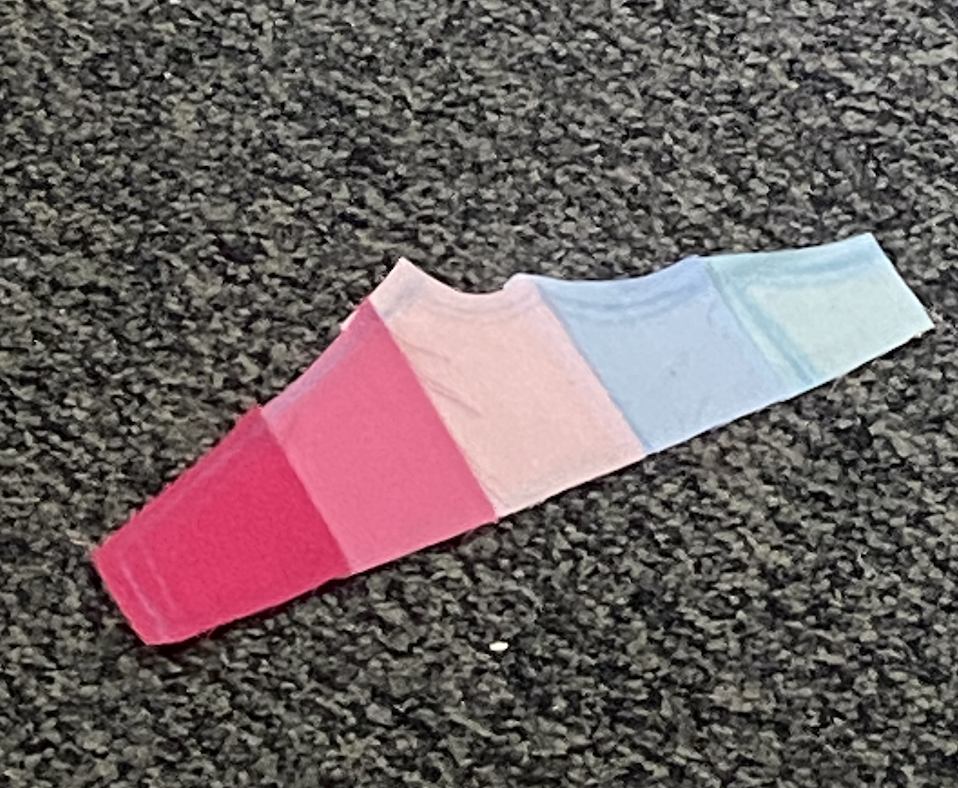 Panels
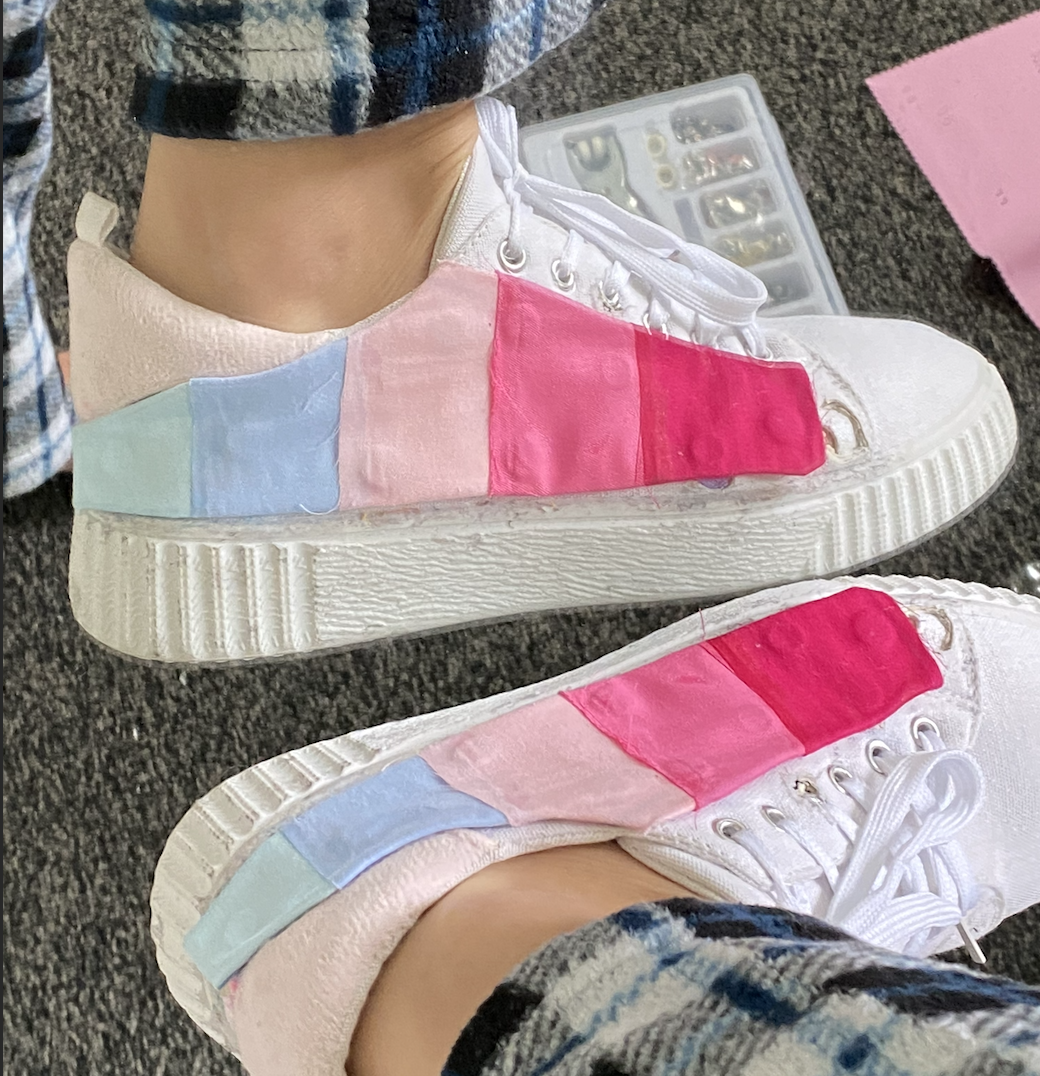 Worn
WornPhase 02 — Snaps
Snaps looked and held much better. The trouble was structural. Building them into a shoe that wasn't designed for them takes real work, and wherever the padding was thin you could feel the hardware while walking.
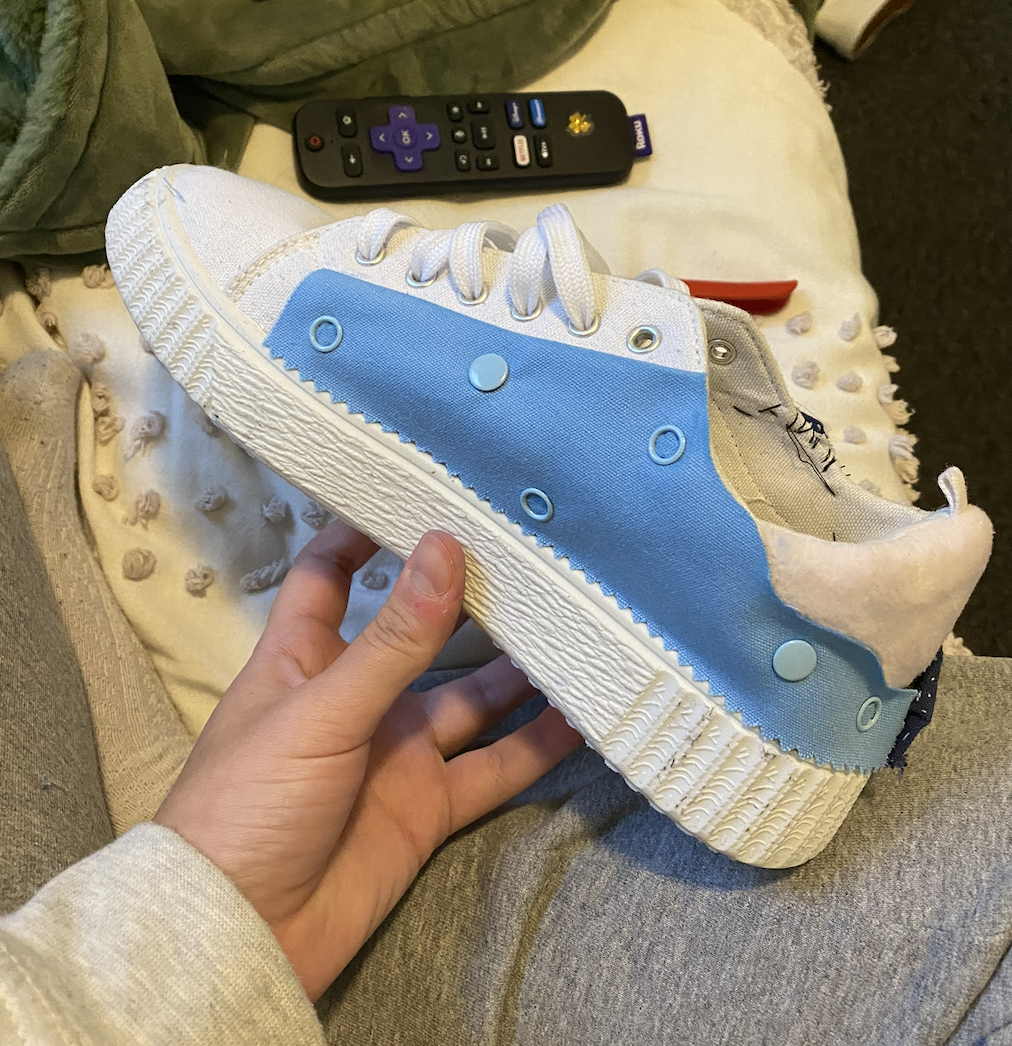 Snap panel
Phase 03 — MVP
Hidden snaps on a high-top solved both problems. The extra canvas hides the hardware and leaves room for padding, so nothing digs in. The blue-and-yellow build is where we are now, and the panel comes off, so it's school colors for a game day and orange and purple for Halloween.
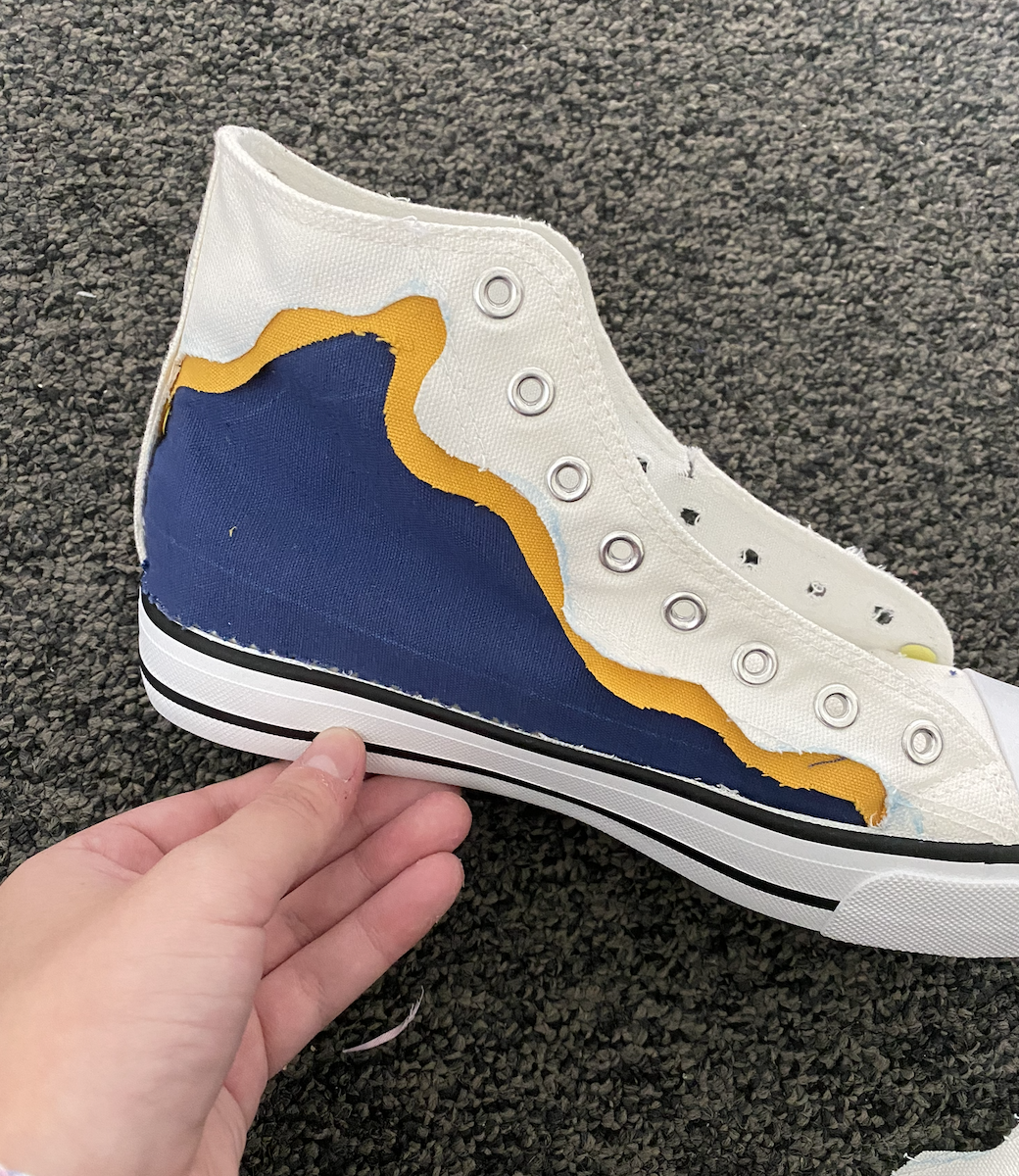 MVP
MVP